What Is The Best Way To Get To St Barts?
The best way to get to St Barts runs through St Martin: a short small-plane hop or a roughly 45 to 60 minute ferry to Gustavia. Here is how each option works.
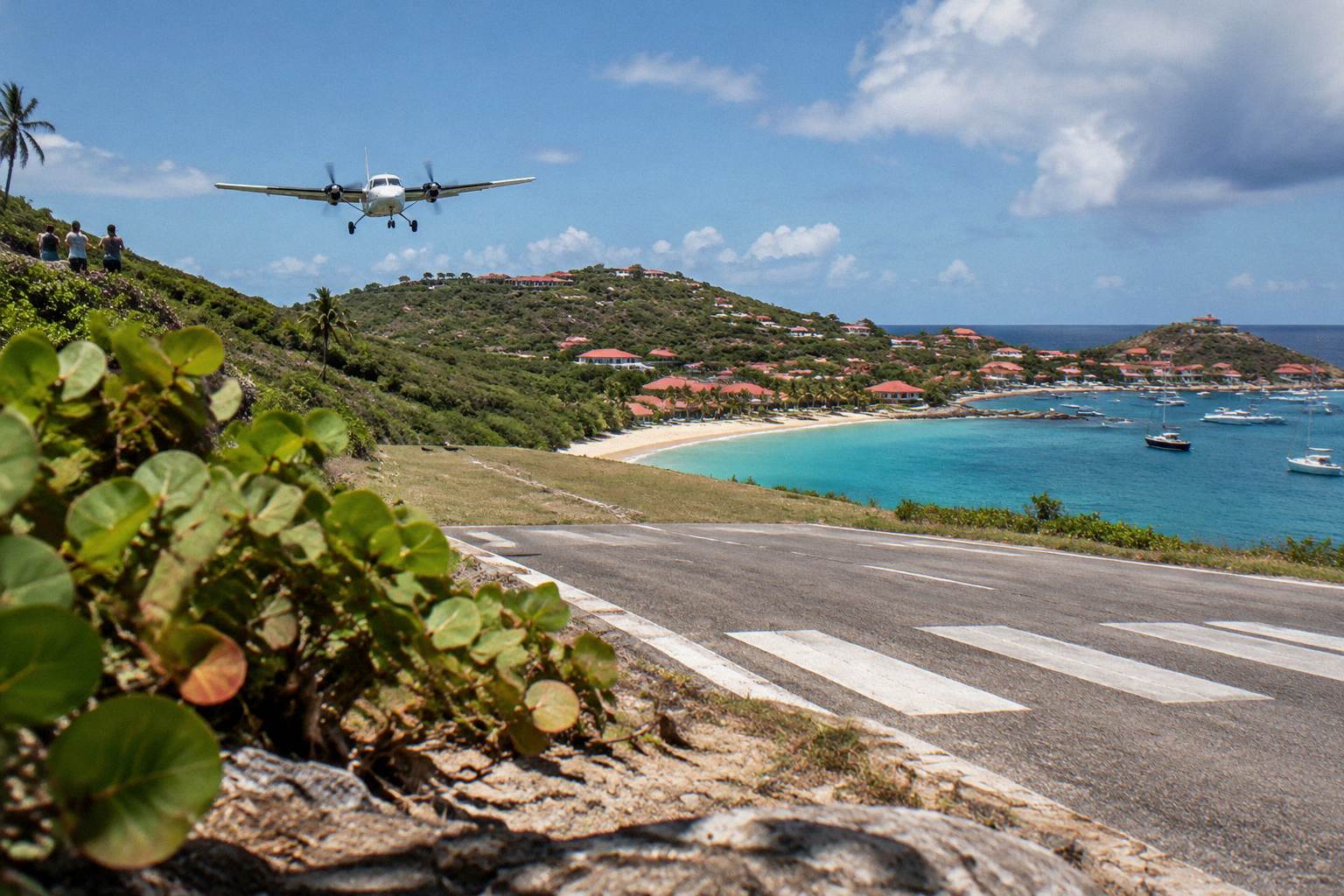
St Barthelemy, usually written St Barts, is a small French island in the Caribbean with a harbor capital at Gustavia and an airport runway just 646 m long. No jet can land on it. That single fact shapes every answer to the question of how to reach the island: flights from outside the Caribbean end at a gateway, usually St Martin (SXM), and the final leg is either a small turboprop hop or a ferry across the channel to Gustavia. This page compares the options in plain terms, using what the operators and official sources publish.
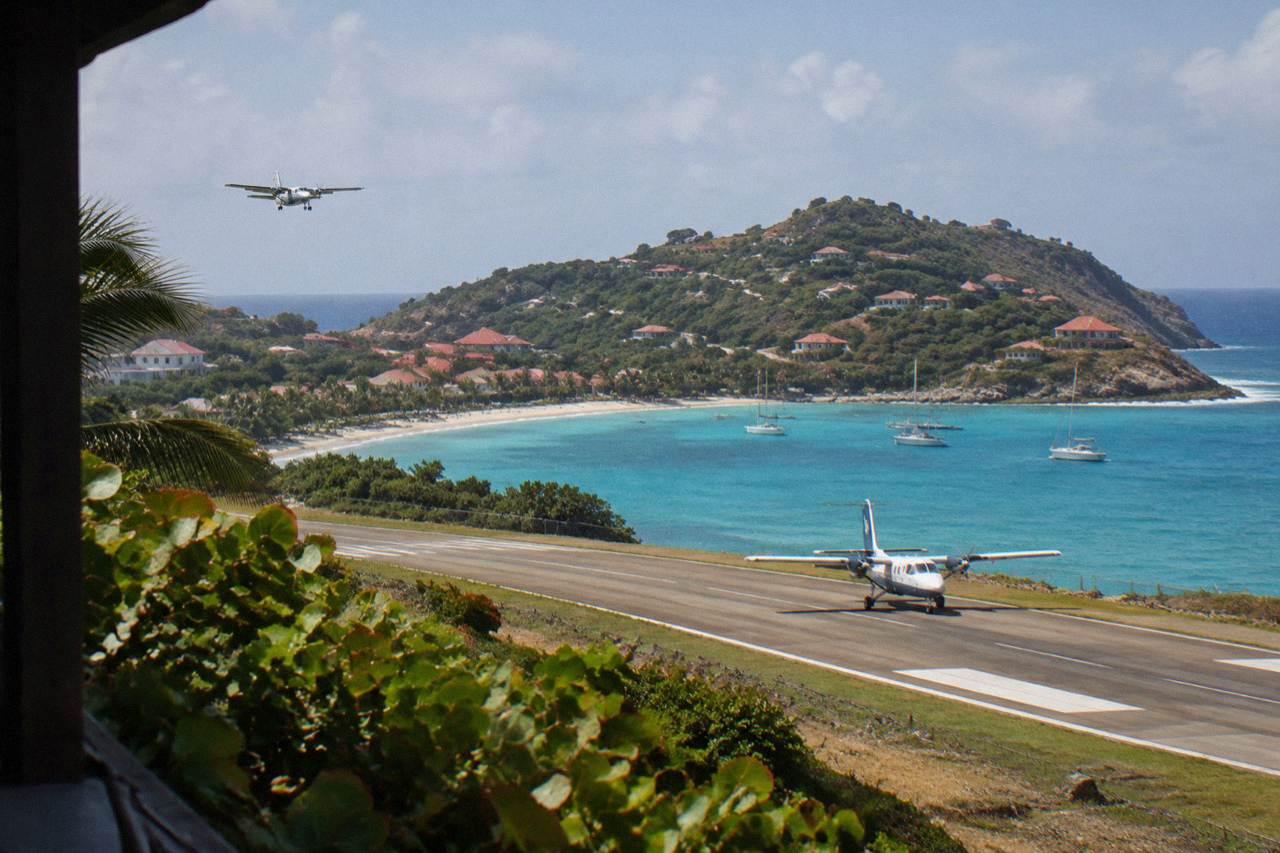
The best way to get to St Barts for most itineraries is a long-haul or regional flight into St Martin (SXM), then a short small-plane hop to the island's Gustaf III Airport, code SBH. The alternative is the ferry: Great Bay Express from Philipsburg or Voyager from Marigot, each a crossing of about 45 to 60 minutes. There is no jet service and no direct flight from outside the Caribbean, so a gateway is unavoidable.
Which final leg suits a given trip depends on budget, tolerance for a bumpy channel and where the journey starts. The small-plane hop is short and lands at one of the Caribbean's most talked-about airstrips, but it operates in daylight and visual conditions only, so weather can end the flying day early. The ferry runs whatever the sky looks like, within limits, though the crossing can be rough and no operator promises a calm one.
A third route deserves a mention because it turns the journey into the point of the trip: a boat day trip or charter from St Martin or Sint Maarten that visits St Barts. The tours listed here all leave from the St Martin side and call at Gustavia, Colombier Beach or Ile Fourchue. For a traveler already staying on St Martin, that is a way to see St Barts without booking a room on the island at all.
Why Every Route To St Barts Goes Through A Gateway
St Barts has no jet-capable airport: the runway at Gustaf III (SBH) is 646 m long and serves only small STOL turboprops, in daylight and visual conditions. Every traveler from outside the Caribbean therefore flies first to a gateway, most often St Martin (SXM), then continues by small plane or ferry. The other gateways are San Juan (SJU), Guadeloupe (PTP) and Antigua (ANU).
The airport's constraints are not a quirk of scheduling; they are physical. The strip is short, the approach crosses terrain, and pilots need special qualification to fly it. Only aircraft built for short takeoffs and landings, such as twin turboprops and single turboprops, operate there, and the field closes around sunset because there are no runway lights. A delayed evening arrival can mean a night on St Martin.
That is why the practical first question of any St Barts trip is not "which airline" but "which gateway." St Martin works best for the largest number of itineraries because it offers both continuations, plane and ferry, plus the largest choice of incoming flights from North America and Europe. San Juan suits travelers from the US East Coast; Guadeloupe and Antigua suit connections from elsewhere in the Caribbean and from Europe.
| Gateway | Where It Serves | Small-Plane Carriers To SBH | Ferry Option |
|---|---|---|---|
| St Martin / Sint Maarten (SXM) | Main hub for North America and Europe | St Barth Commuter | Yes, from Philipsburg and Marigot |
| Grand Case, St Martin (SFG) | French-side regional field | St Barth Commuter | Nearby, from Marigot |
| San Juan, Puerto Rico (SJU) | US East Coast connections | Tradewind | No |
| Pointe-a-Pitre, Guadeloupe (PTP) | Caribbean and France connections | St Barth Commuter | No |
| Antigua (ANU) | Eastern Caribbean connections | Tradewind | No |
For more on why the island is hard to reach by design, see why it is so hard to get to St Barts, and for the US side of the question, flying to St Barts from the US.
Flying Into St Barts: The Small-Plane Hop
Flying to St Barts means a small STOL turboprop from a gateway, most often St Martin, on a short hop that lands at Gustaf III Airport above the beach at Saint-Jean. St Barth Commuter flies the route from SXM, Grand Case and Guadeloupe; Tradewind flies it from San Juan and Antigua. Flights run in daylight and visual conditions only, and no jet operates to the island.
The hop from St Martin is short enough that the boarding process takes longer than the flight. What the landing lacks in duration it makes up for in approach: the aircraft descends over a col between hills and touches down on a strip that ends close to water on both ends. It is an airstrip pilots must be qualified for, and the field's daylight-only rule means the last departures of the day come well before dark.
Book the onward connection with the airport's limits in mind. An international flight arriving at SXM late in the afternoon may not leave enough daylight for the transfer, and a weather hold can close the route for the day. Travelers connecting the same day through St Martin usually do better with a morning or midday arrival. Print no assumptions about fares or baggage rules here: both vary by carrier and season, and the airlines' own booking pages carry the current terms.
If the gateway flight lands late and costs you the connection, book a flight delay compensation check.
For US passport questions on this routing, see whether US citizens need a passport for St Barts.
Taking The Ferry From St Martin To St Barts
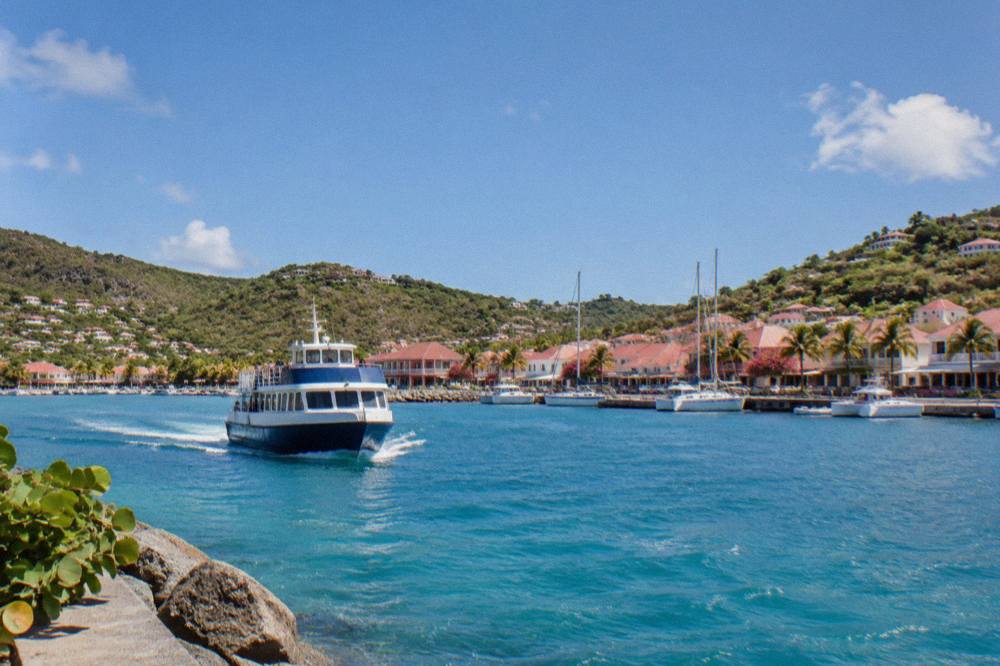
Two ferry operators run scheduled service to Gustavia: Great Bay Express from Bobby's Marina in Philipsburg on the Dutch side, a crossing of about 45 minutes, and Voyager from the Marigot ferry terminal on the French side, about 50 to 60 minutes. A passport or accepted ID is required, check-in closes before departure, and the channel can be rough, so no crossing is guaranteed calm.
The ferry suits travelers who prefer to stay on the ground, literally. It is also the fallback when weather grounds the small planes, which is worth knowing in the hurricane months of June through November, when the schedule can shift with sea conditions. Both operators run multiple sailings a day in each direction, more in the November-to-April high season, and both publish current timetables on their own booking pages. The operators' pages ask passengers to arrive well before departure, since check-in closes ahead of sailing. The wider set of guides lives on St Barthelemy Travel.
Seasickness is a real consideration on this channel. The crossing is open water, and travelers prone to motion sickness usually take a remedy before boarding rather than after. Nothing in the operators' promises a smooth ride, and the crossing time itself is "about" on both companies' own pages, a hint that conditions set the clock.
A day trip by boat is a different animal from the scheduled ferry: charter and group-sail products from St Martin or Sint Maarten cross the channel, call at Gustavia and anchor at places like Colombier and Ile Fourchue, which sit inside the marine reserve. The reserve's rules, published by the island's environment agency, cap speed at 5 knots in its zones, ban jet skis and prohibit touching turtles, so a skippered boat is the ordinary way to reach those bays.
| Route | Operator | Departure Point | Crossing (Per The Operator) |
|---|---|---|---|
| To Gustavia | Great Bay Express | Bobby's Marina, Philipsburg | About 45 minutes |
| To Gustavia | Voyager | Marigot ferry terminal, St Martin | About 50 to 60 minutes |
What Documents Do You Need To Enter St Barts?
St Barts is a French overseas collectivity and sits outside the Schengen area, so entry follows French overseas rules rather than Schengen systems like ETIAS or EES, neither of which governs arrival. US, UK, Canadian and EU citizens are generally visa-exempt for short tourist stays, a passport is required for the ferry and air routes alike, and an onward ticket is part of the standard conditions. Check your own government's travel advice for current validity rules.
EU citizens may enter with a national ID card; US travelers need a passport book rather than a passport card for air travel. A Schengen visa alone does not authorize entry where a visa is required: the document must be valid for this territory specifically. Because governments phrase passport-validity advice differently, the reliable move is to read your own country's official travel page before booking rather than relying on a summary. The rules are reported from French entry texts and government advice, and they can change.
Getting Around After You Land
Arrival at SBH or the Gustavia ferry terminal puts the island within a short drive of everywhere: St Barts is about 21 square kilometres with one main road looping the coast past Gustavia, Saint-Jean, Lorient and Grand Cul-de-Sac. Rental counters at the airport include Avis, Budget and Hertz alongside local agencies and Mini Moke specialists, taxis meet arrivals, and driving is on the right with narrow, steep roads.
The island's roads are part of its character: winding, hilly and, in places, barely two cars wide. Small vehicles with higher clearance are the common choice for that reason, and booking ahead matters in the December-to-April high season. For a fuller weighing of the decision, see whether it is worth renting a car in St Barts, and for what to do with wheels or without them, the site's St Barts things to do overview.
Cruise passengers get a different arrival altogether. Ships anchor offshore and tender passengers into Gustavia's harbor front; there is no pier, and the Collectivité caps authorized ship size well below mass-market scale. There is no public cruise call schedule, so port days are best checked with the cruise line directly.
Common Questions About Getting To St Barts
What Is The Best Way To Get To St Barts?
For most itineraries the answer is a flight into St Martin (SXM) followed by the small-plane hop to SBH. The ferry from Philipsburg or Marigot is the alternative, and a boat day trip from St Martin is a third option that skips an overnight on the island entirely.
Can You Fly Direct To St Barts From The US Or Europe?
No. The 646 m runway at Gustaf III accepts only small STOL turboprops, and no jet service exists. Flights from outside the Caribbean connect through St Martin, San Juan, Guadeloupe or Antigua.
How Rough Is The Ferry Crossing?
The channel between St Martin and St Barts is open water and the crossing can be rough; neither operator promises a calm one. The crossing takes about 45 minutes from Philipsburg and about 50 to 60 minutes from Marigot, per the operators' pages.
Do You Need A Passport For The Ferry?
Yes. Both ferry operators require a passport or accepted ID, and check-in closes before departure. Entry rules follow French overseas rules, outside Schengen.
What Happens If Weather Grounds The Planes?
SBH operates in daylight and visual conditions only, so fog, low cloud or late-day darkness can end flying for the day. The ferry is the usual fallback, and same-day connections through St Martin are safest with a morning or midday arrival.
Can You Visit St Barts Without Staying Overnight?
Yes. Day trips by ferry from St Martin or by boat tour and charter from St Martin and Sint Maarten visit Gustavia and the island's bays and return the same day.
Travelers who would rather make the crossing part of the day than a transfer have one clear candidate: the group sail that departs St Martin, calls at Gustavia and anchors at Colombier and Ile Fourchue, listed at Gustavia, Colombier and Ile Fourchue by sail. More on that below.
The Short Version
There is no single best way to St Barts, only a best way for a given trip: the small-plane hop from St Martin for speed and the landing, the ferry from Philipsburg or Marigot for grounded simplicity, a San Juan or Antigua connection from the eastern Caribbean, or a boat trip that folds the crossing into the day itself. Every one of them starts with the same fact, a 646 m runway that keeps jets away and makes the last leg small, slow and worth planning.
Book the gateway with daylight in hand, carry the passport the entry rules ask for, and check the operator pages for current ferry sailings before committing to a tight connection. The island is small; getting there is the part that rewards a little arithmetic, and St Barthelemy Travel covers each leg in depth across the guides linked above.