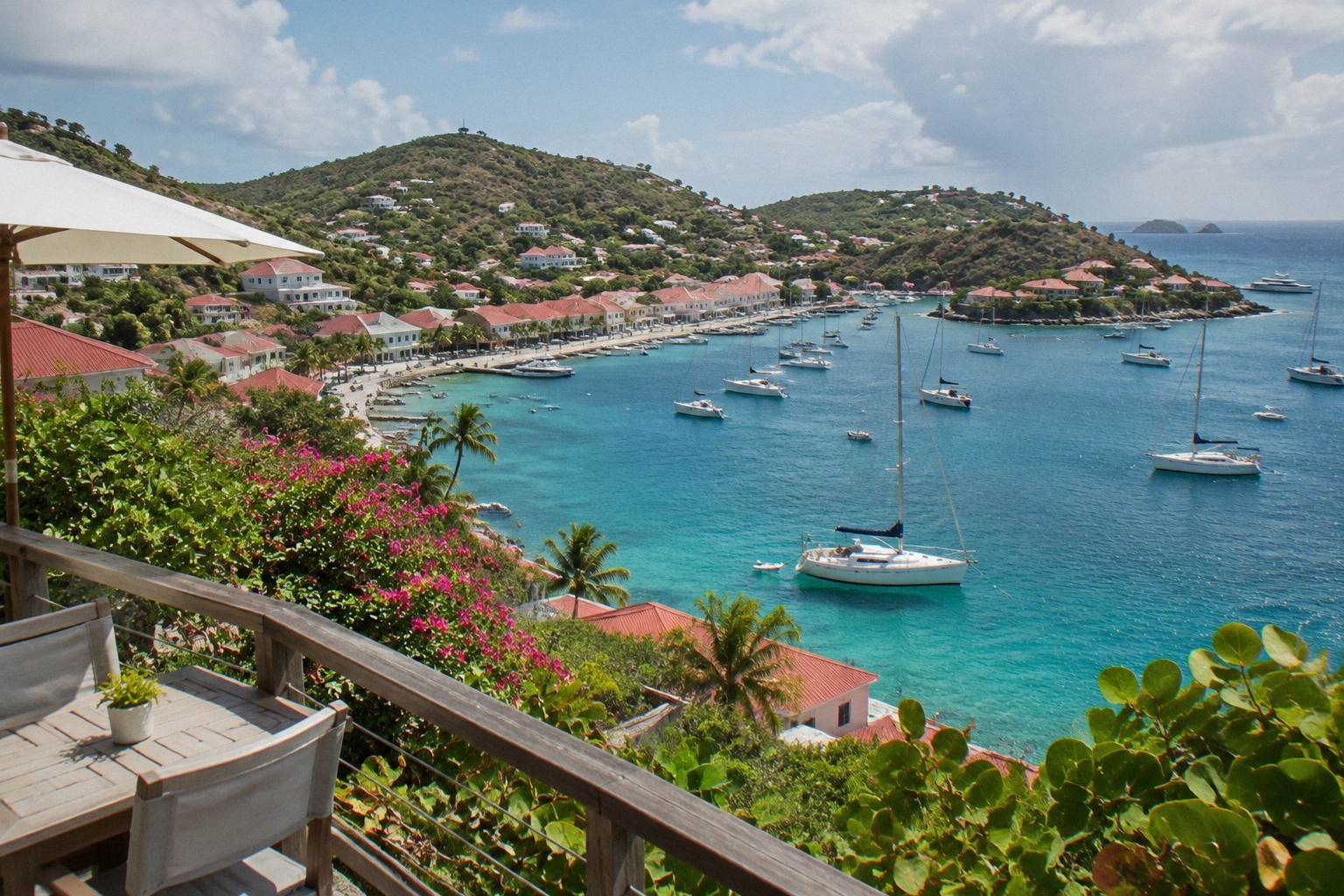
Is St Barts French Or Dutch?
St Barts is French, not Dutch: a clear answer to the French Or Dutch question, with the St Martin split explained and what it means for passports, currency and getting there.
St Barthelemy, written St Barts in almost every heading and conversation, is French, and only French. It is a small overseas collectivity of France in the Caribbean, an arrangement in place since 2007, with Gustavia as its capital and harbour town, the euro as its currency, and French as its official language alongside widely spoken English. The Dutch question comes up because the island travelers pass through on the way here, St Martin and Sint Maarten, is genuinely split between France and the Netherlands, and the two names get blurred together in guidebooks and search boxes. This page untangles the two, and explains what the French status of St Barts actually changes for a trip: documents, money, and how you arrive. The short version for anyone scanning: St Barts is on the French side of the ledger, it shares nothing administratively with the Dutch side of St Maarten, and the nearest Dutch territory is the southern half of the island next door.
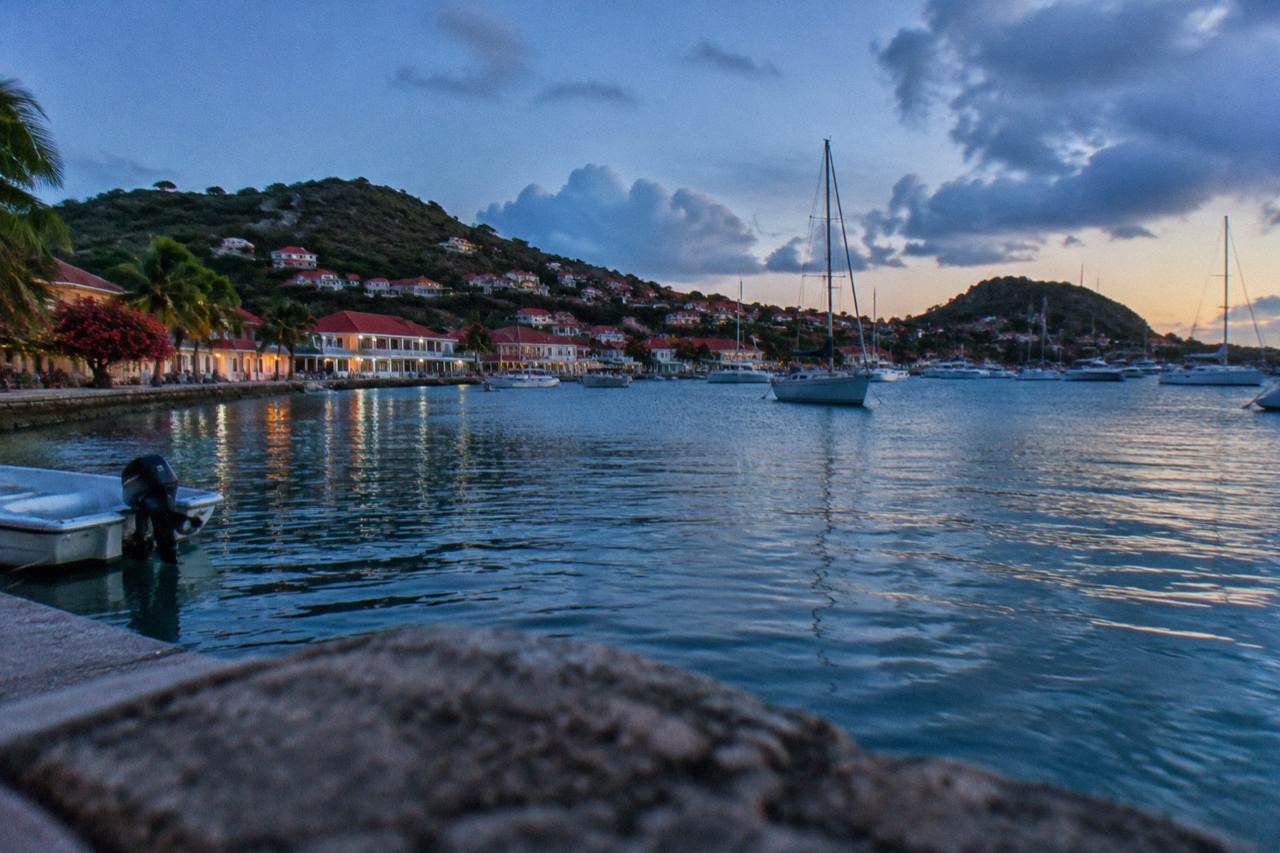
St Barts is French, not Dutch, and the answer leaves no room for a shared arrangement: St Barthelemy has been an overseas collectivity of France since 2007, governed under French law, using the euro, with French as its official language and Gustavia as its capital. The Netherlands has no sovereignty, no administration and no territorial claim on any part of St Barts.
The confusion has a specific source, and it sits about 25 kilometres to the north west. The neighbouring island of St Martin is divided between two European states: Saint-Martin, the northern French side, and Sint Maarten, the southern Dutch side, a constituent country of the Kingdom of the Netherlands. Because nearly every route to St Barts runs through that island, and because its two halves share one airport and one lagoon, travelers routinely compress the whole neighbourhood into a single "St Maarten" and then export the French and Dutch question to St Barts, where it does not apply.
The split table below separates the three territories cleanly.
| Territory | Status | Currency | Capital Or Main Town |
|---|---|---|---|
| St Barts (St Barthelemy) | Overseas collectivity of France since 2007 | Euro | Gustavia |
| Saint-Martin | French overseas collectivity, northern half of St Martin island | Euro | Marigot |
| Sint Maarten | Constituent country of the Kingdom of the Netherlands, southern half | Netherlands Antillean guilder, US dollar widely used | Philipsburg |
One practical note on the middle row: the French side of St Martin is a separate collectivity from St Barts. They are not one territory, even though both are French. A traveler flying into Princess Juliana Airport on the Dutch side, then taking a ferry from Marigot on the French side to Gustavia, crosses three distinct administrations in a single morning, and that is the normal way a trip to St Barts unfolds. Our companion page on which country St Barts belongs to covers the sovereignty question in more depth, and St Barthelemy Travel keeps the two islands' guides firmly separate.
What Does French Status Mean For St Barts Travelers?
French status means St Barts runs on French law, the euro and French administrative practice: it is outside the Schengen area, so a Schengen visa does not authorize entry and the ETIAS system does not govern arrival, while US, UK, Canadian and EU citizens are generally visa-exempt for short tourist stays. Local costs are quoted in euros, emergency numbers follow the French system, and the island keeps UTC-4 all year, with no daylight saving.
The island is small, about 21 square kilometres with roughly 10,700 residents, and its institutions are French ones adapted to a Caribbean scale. The territorial council sits in Gustavia. The gendarmerie rather than a Dutch-style police force handles law enforcement. Time is UTC-4 all year with no daylight saving change, so the island's clocks do not spring forward and back the way metropolitan France's do. Emergency numbers follow the French system, and 112 works alongside the local medical and police lines.
The Schengen point is the one that catches experienced Europe travelers. Because St Barts is outside the Schengen area, the entry rules are set by French overseas regulations rather than the Schengen rulebook, and a traveler who assumes "France means Schengen" can misjudge what documents to carry. US citizens should carry a passport book rather than a passport card; our page on passports for US citizens visiting St Barts works through the details, and official government travel advice should always be the final check before flying.
The basics table gathers the identity facts in one place.
| Basic | St Barts Today |
|---|---|
| Political status | Overseas collectivity of France, since 2007 |
| Capital | Gustavia |
| Official language | French, with English widely spoken |
| Currency | Euro |
| Time zone | UTC-4, no daylight saving |
| Population | About 10,700 |
| Area | About 21 square kilometres |
| Schengen | Outside the Schengen area |
For many travelers the most enjoyable expression of the island's French character arrives by boat. A day sail across from St Martin puts you in Gustavia's harbour, then out to Colombier Beach and Ile Fourchue, all in one French-territory loop. The Boomerangs group sail is the one per-person option listed here, running 12 May to 31 August 2027 on its listing, and it is featured on the site's own page for the Gustavia, Colombier and Ile Fourchue sail, with live dates and pricing on the operator's listing.
Is St Barts In The European Union?
St Barts is tied to France but is not part of the European Union in the way metropolitan France is: it is an overseas collectivity whose residents are French citizens, represented through French institutions, while EU rules apply only selectively under the treaties' overseas-association provisions. In practice this changes little at the beach, but it is the legal reason the island sits outside Schengen and outside several familiar European frameworks.
Residents carry French passports and vote in French elections. The euro circulates because France's currency arrangement extends to the collectivity, not because the island is inside the eurozone by its own membership. For a visitor, the distinction is mostly invisible until an entry question arises, and then it matters a great deal: a Schengen visa or a future European travel authorization designed for the Schengen area is the wrong instrument for this island.
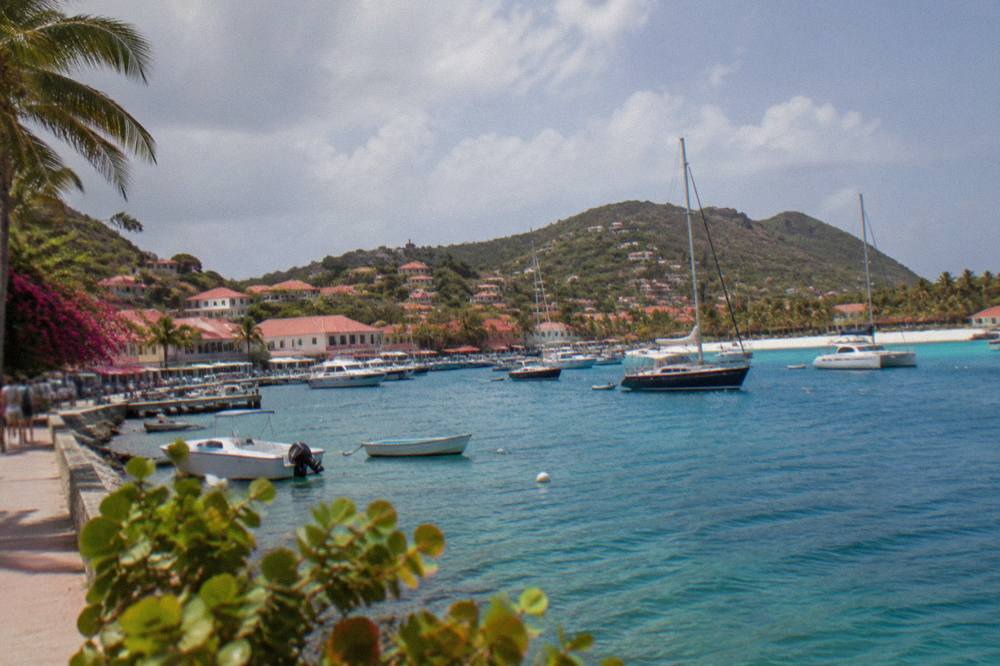
The same logic applies to how the island is policed and taxed. Emergency response runs on French numbers, with 112 available alongside the local services, and the tourist tax is a stay tax collected through accommodation providers under the territorial code. None of this is Dutch, and none of it is run from Philipsburg.
Why Do People Confuse St Barts With Dutch Sint Maarten?
The confusion comes from geography and travel routing: St Barts has no long-haul airport, its 646-metre runway at Gustaf III accepts only small turboprops in daylight conditions, so nearly everyone reaches the island through St Martin, an island that is itself half French and half Dutch, and the names blur together in itineraries, ferry pages and search results.
Princess Juliana Airport on the Dutch side is the main regional gateway. From there, travelers connect by small plane, on carriers including St Barth Commuter, or by sea, on the ferries from Marigot on the French side and Philipsburg on the Dutch side. The crossing from Philipsburg takes about 45 minutes and from Marigot about 50 to 60 minutes, figures the operators themselves publish, and the sea can be rough on any given day. Our longer explainer on why it is so hard to get to St Barts covers the routing in detail, and the question of flying direct to St Barts from the US has its own answer page.
The blurring has a second, softer cause. Celebrity coverage tends to name St Barts and St Maarten in the same breath, because the yachts, the airport approach and the ferry hops all appear in the same holiday. If you want to know where celebrities stay on this island rather than the neighbouring one, that is a question St Barthelemy Travel answers with the island's own properties kept separate from next door's resorts, which is exactly the discipline the French Or Dutch question demands.
For travelers who want to turn the geography into the trip itself, a private charter from St Martin crosses the channel to St Barts on your own schedule, and the site's page for the private charter from St Martin to St Barth shows what the day can include.
Does The French Or Dutch Question Change Money, Language Or Beaches?
It changes money and official language, not the beaches: St Barts uses the euro and French as its official language with English widely spoken, while every beach on the island is public under local law regardless of which flag flies, a rule that applies across all of them from Saint-Jean to Colombier. There is no Dutch guilder, no Dutch administration and no Dutch-language service anywhere on St Barts.
On the neighbouring island the contrast is real and immediate. Cross from Marigot to Philipsburg and the currency in daily use shifts, the street signage shifts, and the administration shifts. On St Barts nothing shifts, because there is only one authority. Prices in local shops and restaurants are quoted in euros, and card acceptance varies by business, so cash in euros is the sensible default for small purchases.
The beach point deserves emphasis because it is where French administrative tradition is most visible to a visitor. All of the island's beaches are public, and the marine reserve rules set by the territorial environment agency apply around the coast: a 5-knot speed limit inside reserve zones, no jet skis, no dogs on beaches, and no touching turtles or other protected species. If you are choosing a stretch of sand, the guide to the nicest beach in St Barts works through the options.
For an overnight version of the crossing, a two-day, one-night private catamaran from St Martin gives both islands their due, and the site's page for the overnight private catamaran trip has the details.
Common Questions About St Barts, French Or Dutch
Is St Barts French Or Dutch?
St Barts is French. It has been an overseas collectivity of France since 2007, it uses the euro, and Gustavia is its capital. The Netherlands has no role in the island's government.
Is St Barts the same island as St Martin?
No. St Barts is a separate island, about 25 kilometres south east of St Martin, which itself is split between a French northern half and a Dutch southern half. St Barts belongs entirely to France.
Do I need euros in St Barts?
Yes, local costs on St Barts are in euros. Tour card prices are in US dollars and come from the operators' listings; do not convert between the two when budgeting.
Is St Barts part of the Schengen area?
No. St Barts is outside the Schengen area, so Schengen visas and the planned European travel authorization systems do not govern entry. French overseas entry rules apply instead.
Which side of St Martin do I fly into to reach St Barts?
The main airport, Princess Juliana, sits on the Dutch side, Sint Maarten, and serves both halves of the island. From there you continue to St Barts by small plane or by ferry from Marigot on the French side or Philipsburg on the Dutch side.
Can I visit both the French and Dutch sides on one trip?
Yes, and it is easy to do so without noticing, since the border between Saint-Martin and Sint Maarten is open. The trip to St Barts typically touches the Dutch-side airport and, for some ferry routes, the French-side terminal at Marigot on the same day.
St Barts is French, was French before the 2007 reorganization made it a collectivity in its own right, and will read as French from the moment your ferry noses into Gustavia. The Dutch half of the neighbouring island is a neighbour, a gateway and a useful contrast, never a co-owner.