How Many Hours From New York To St Barts?
There is no nonstop flight from New York to St Barts. The realistic door-to-door journey runs most of a day: a flight to St Martin, San Juan, Guadeloupe or Antigua, then a small plane or ferry to Gustavia.
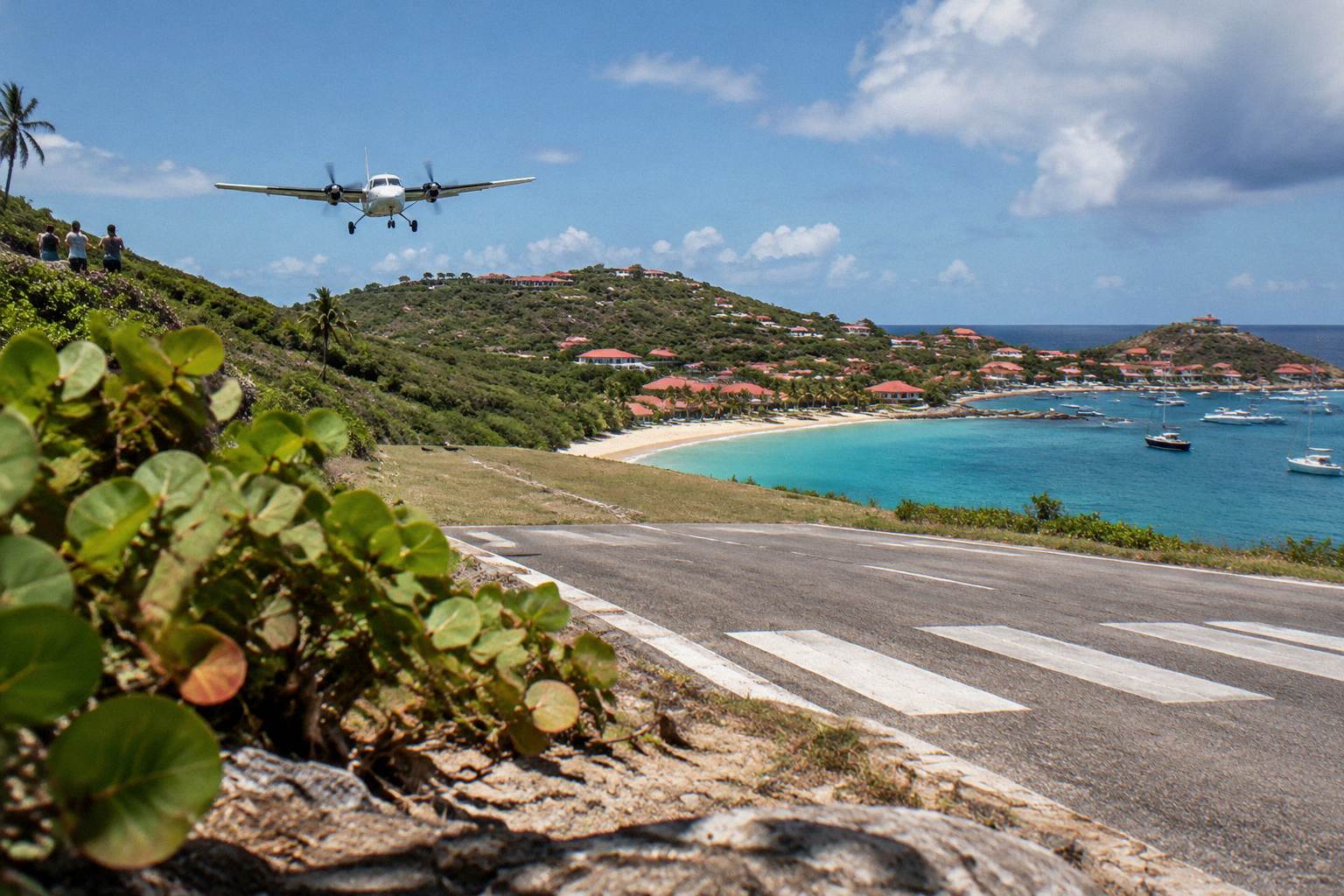
No airline flies nonstop from New York to St Barthelemy (St Barts), and no jet can land there at all. The island's airport, Gustaf III (SBH), also called Remy de Haenen, has a single 646-metre runway, operates in daylight and visual conditions only, and is served exclusively by small STOL turboprops. That single fact shapes every itinerary from the US East Coast: the journey is a chain of short hops, and the honest answer to the question of hours is that the trip takes most of a day door to door, with the exact total set by the connection you choose and how tightly it is timed.
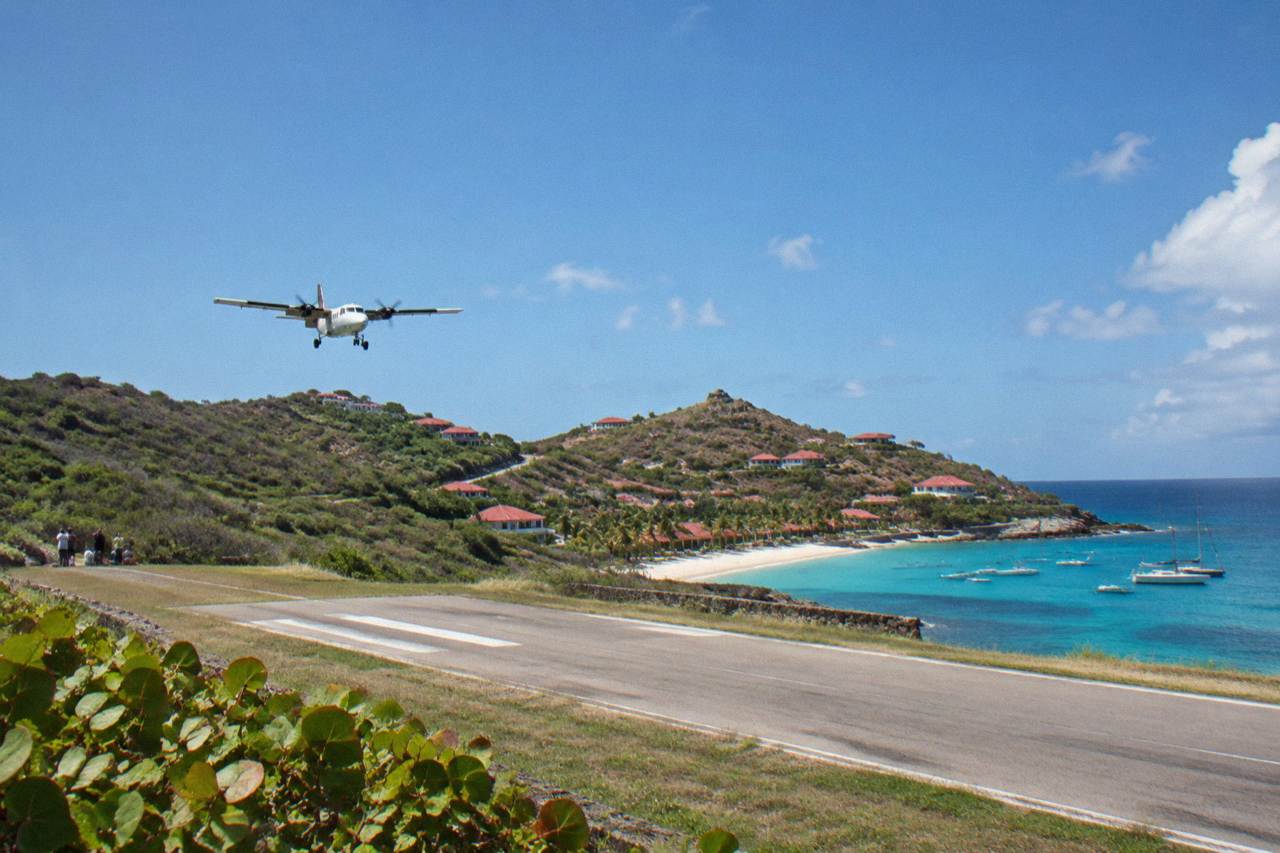
The routing logic is simple. A long-haul flight from the New York area lands at a gateway, and a small plane or a ferry finishes the job. The gateways are Princess Juliana airport on Sint Maarten (SXM), San Juan in Puerto Rico (SJU), Pointe-a-Pitre in Guadeloupe (PTP) and Antigua (ANU). From SXM, St Barth Commuter, Winair and other small carriers fly the short hop to SBH; St Barth Commuter also serves the route from Grand Case on the French side of St Martin and from Guadeloupe, while Tradewind flies to the island from San Juan and Antigua. The alternative from St Martin is the ferry: Great Bay Express from Philipsburg and Voyager from Marigot both run to Gustavia. The details of the air side are covered in the site's page on flights from New York to St Barts.
Count roughly eight to twelve hours door to door, sometimes longer, because no nonstop exists: a transatlantic-length flight from the New York area reaches a Caribbean gateway, then a small turboprop or a ferry covers the last leg into Gustavia. The gateway connection, not the ocean crossing, decides the total, and the island's daylight-only airport closes the day early.
Break that into its pieces. The transatlantic-length segment from the New York area to the Caribbean takes a substantial block of hours on its own. Then the feeder leg matters: the hop from SXM to SBH is short, and Tradewind's service from San Juan is a longer but still regional flight, so a San Juan routing can spend more hours in the air after the long flight than a St Martin routing does. Layover time is the wildcard. A tight connection at SXM can keep the total near the low end; a long afternoon wait, or an arrival that misses the small planes' daylight window, turns the trip into an overnight at the gateway.
That daylight rule deserves emphasis. SBH has no runway lighting and closes shortly after sunset, so a late gateway arrival cannot be rescued by an evening flight. Travelers who land at SXM in the late afternoon sometimes choose the ferry the next morning rather than risk the last planes of the day. The customs and entry side is covered separately on the page do US citizens need a passport for St Barts, but one point belongs here: entry is processed at the gateway for air routings through Sint Maarten, which adds a step the timing should account for.
| Routing | Long segment | Feeder to SBH | What sets the total |
|---|---|---|---|
| Via St Martin (SXM) | New York area to SXM | Small plane or ferry | Connection gap at SXM; daylight window |
| Via San Juan (SJU) | New York area to SJU | Tradewind turboprop | Longer feeder flight; connection gap |
| Via Guadeloupe (PTP) | New York area to PTP | St Barth Commuter | Fewer feeder frequencies; longer layovers |
| Via Antigua (ANU) | New York area to ANU | Tradewind, seasonal | Limited feeder days; longest planning risk |
The ferry alternative from St Martin adds its own arithmetic. Great Bay Express crosses from Philipsburg in about 45 minutes, and Voyager from Marigot in about 50 to 60 minutes, according to the operators' own pages. Check-in closes well before departure and a passport is required, so the sea leg is not a shortcut for a tight connection. It is, however, the fallback when the last plane of the day has gone, and the rough-crossing possibility is real: the operators themselves warn that weather cancels sailings. The mechanics are laid out in the site's guide to ferry operators and schedules.
Which Gateway From New York Is Fastest For St Barts?
St Martin is usually the fastest gateway from the New York area, because it pairs frequent nonstop transatlantic-length arrivals with the densest feeder network to SBH: multiple small-plane operators plus two ferry companies finishing the trip to Gustavia. San Juan is the strong alternative, with Tradewind turboprops feeding the island directly, while Guadeloupe and Antigua work best for travelers already committed to those gateways.
The density argument favors SXM. More feeder flights per day means more chances to recover from a delay, and the ferry gives a second, independent fallback that no other gateway offers. San Juan's advantage is that it is a large US hub with abundant service from the New York area; its weakness is that everything after it depends on fewer scheduled turboprops. Guadeloupe suits travelers comfortable with French connections; Antigua's feeder is limited and seasonal. A useful planning exercise is to look at the last SBH arrival of the day from your gateway and work backwards, rather than optimizing the long flight alone. Other pages covering the same trip are gathered on St Barthelemy Travel.
Weather shifts the calculus seasonally. Hurricane season runs 1 June to 30 November with a peak from mid-August to mid-October, and afternoon turbulence in the tropics can delay the short visual-only approaches into St Barts even outside that window. In the depths of autumn, an extra buffer at the gateway, or a ferry morning, is the safer plan than a 40-minute connection. For travelers weighing the whole question of whether the island repays the effort, the site's piece is it worth going to St Barts addresses it directly.
One more planning note: the New Year period is the island's busiest stretch, and the small planes and ferries fill first then. The site's New Year itinerary and its guide to New Year's Eve in St Barts cover that window in detail.
Can You Arrive By Boat Instead Of Flying Into St Barts?
Yes, and for many itineraries the boat is not a novelty but the plan: the scheduled ferries from Philipsburg and Marigot carry passengers to Gustavia daily, and private charters and an overnight catamaran from St Martin deliver the island as a sea journey. Every one of these departs from St Martin or Sint Maarten, not from St Barts, and none of them replaces the long flight from New York, which still ends at a gateway.
The sea route changes the shape of the day rather than its length. A traveler who flies into SXM and takes the first ferry the following morning arrives rested, having spent the night on the Dutch side, instead of racing the daylight window at SBH. The crossing itself is under an hour on either operator, but sea conditions vary and cancellations happen, so a ferry-first plan needs a fallback. The site's page on getting to St Barts from St Maarten airport covers that specific handoff.
For travelers who want the crossing to be the trip, the charter options from St Martin do exactly that. One route that pairs naturally with a New York-to-St Martin flight is the Gustavia, Colombier Beach and Ile Fourchue sail, a day trip that leaves from St Martin and puts Gustavia's harbour, the anchorage at Colombier and the water off Ile Fourchue into one sail; See the operator's live listing. Note its seasonal window: the per-person group sail runs only from 12 May to 31 August 2027 on its listing. Outside that window, the private options run year-round on their listings.

While you wait for a ferry or a charter departure on the St Martin side, the time is not wasted; the site maintains a guide to things to do in St Martin before St Barts for exactly that gap day.
What Does The Whole Trip Look Like Hour By Hour?
A realistic best-case day runs as follows: an early departure from the New York area, a transatlantic-length flight south, a connection measured in a few hours at SXM, then the short hop or ferry to Gustavia, landing by late afternoon. Add the three-hour airport buffer on the front end and the drive to the New York airport, and the door-to-door total lands near the top of the eight-to-twelve-hour range even when everything works.
The variables that break the best case are few but decisive. A delayed long flight can push the connection past the last SBH arrival, forcing the ferry or an overnight. A missed ferry check-in closes the sea option too, since check-in shuts well before departure. And from November through April, the island's high season, both feeder planes and ferries run fuller, which matters for same-day rebooking. The autumn closure pattern belongs in the plan as well: many St Barts hotels and restaurants close each autumn and reopen between mid-October and early November, so an off-season arrival may find the island quieter than the brochures suggest, and the Meteo-France normals for St Barts show why, with October the wettest month at 135.6 mm of rain against 891.3 mm for the year.
| Trip stage | What it involves | What can slow it |
|---|---|---|
| Departure buffer | Getting to the New York area airport, check-in, security | Rush-hour traffic; holiday crowds |
| Long flight | New York area to SXM, SJU, PTP or ANU | Weather; peak-season loads |
| Gateway connection | Immigration, transfer, check-in with the feeder | Tight minimums; last-plane daylight cutoff |
| Feeder to SBH | Small plane or ferry to Gustavia | Weather; visual-only runway; ferry sea state |
| Arrival | Passport control at SBH or ferry dock, transfer to lodging | Ferry arrivals process in Gustavia |
Travelers prone to motion discomfort should read the site's page on ferry seasickness to St Barts before committing to the sea leg, and anyone with a short window on the island can compress the trip with the long weekend itinerary.
Is The Long Trip From New York Worth Building A Longer Stay Around?
Most itineraries that survive the eight-to-twelve-hour door-to-door journey justify it by staying longer, and the island rewards that arithmetic: with the mean daily high between 28.5 C and 31.7 C year-round in the Meteo-France 1991-2020 normals, the weather does not punish a longer trip, and the beaches, all public, cost nothing to occupy. A week lets the arrival day absorb its delays without costing the holiday.
The practical version of that advice is to treat the first day as travel and start the island clock on day two. The site's one week itinerary and the shorter three days in St Barts plans are built around exactly that structure. For travelers arriving from New York for the New Year period, the planning page on whether to spend time in St Maarten before or after St Barts helps place the gateway night on the right side of the trip.
Common Questions About Travel Time From New York To St Barts
How Many Hours From New York To St Barts?
Count roughly eight to twelve hours door to door. There is no nonstop flight, so the total is a long flight to a gateway, a connection, and a small plane or ferry to Gustavia. Tight St Martin connections sit near the low end; a missed last plane pushes the trip to the next morning.
Can you fly direct from New York to St Barts?
No. The runway at Gustaf III airport is 646 metres, serves only small STOL turboprops, and operates in daylight and visual conditions only. No jet and no long-haul aircraft can land there. The site's page on direct flights from the US to St Barts covers the details.
Which airport do you connect through?
Princess Juliana on Sint Maarten is the densest gateway, with St Barth Commuter, Winair and other small carriers feeding SBH plus two ferry operators. San Juan, Guadeloupe and Antigua also work, with Tradewind flying from San Juan and Antigua and St Barth Commuter from Guadeloupe.
Why does the last flight of the day matter so much?
The runway has no lighting and the airport closes shortly after sunset. A late gateway arrival cannot be fixed with an evening flight, so the fallback is the ferry the same day or an overnight on St Martin and the first crossing in the morning.
Does the ferry save time over flying from St Martin?
Not usually. Great Bay Express crosses from Philipsburg in about 45 minutes and Voyager from Marigot in about 50 to 60 minutes, but check-in closes well before departure and weather can cancel sailings. The ferry is best treated as the fallback when the small planes have finished for the day.
When is the timing risk highest?
From mid-August to mid-October, the peak of the Atlantic hurricane season, and during the November-to-April high season when feeder seats are fullest. A longer connection buffer costs a little time and removes most of the risk.