Does St Barts Have Mosquitoes?
Yes, St Barts has mosquitoes, a tropical Caribbean island with year-round activity and a wetter autumn peak. Here is what the climate data shows and how to plan around it.
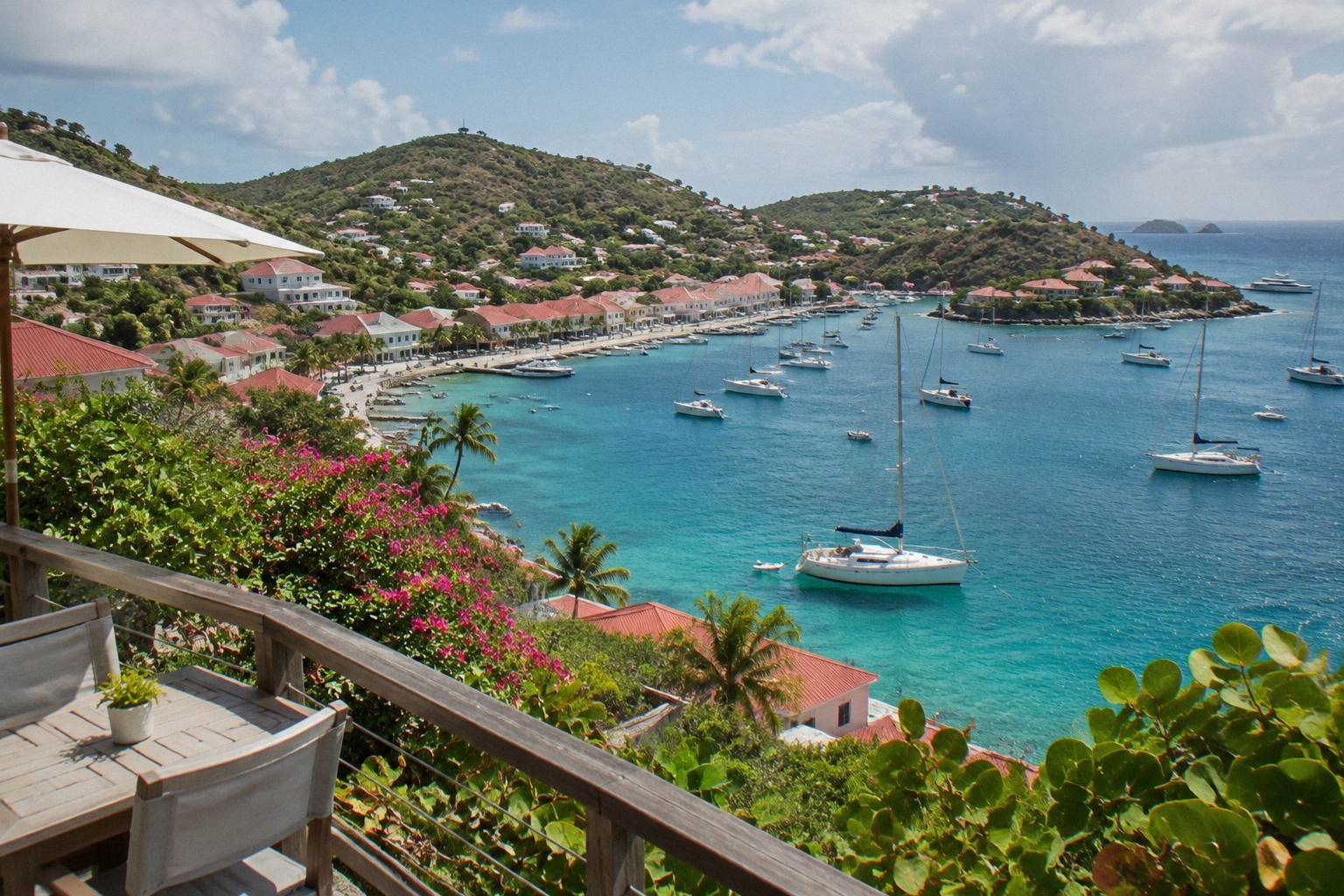
St Barthelemy, usually written St Barts, is a small French island in the Caribbean, about 21 square kilometres of hills, public beaches and turquoise water with roughly 10,700 residents. And yes, it has mosquitoes. It sits at about 18 degrees north in the tropics, its climate normals show warm temperatures every month of the year and 891.3 mm of rain annually, and those are exactly the conditions mosquitoes need. The honest version of the answer is not whether they exist but when they are worst, where they gather and what that means for a beach day versus an evening in Gustavia.
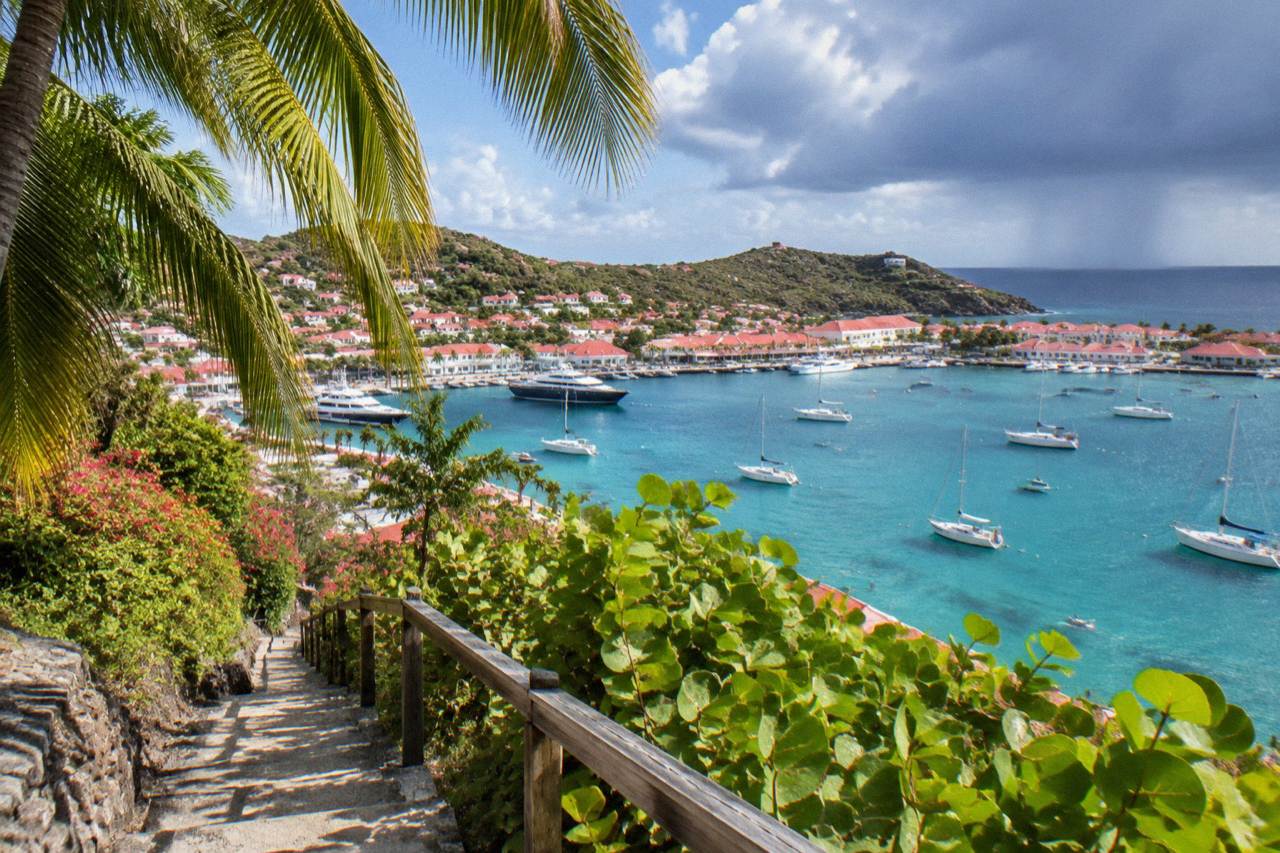
Yes, St Barts has mosquitoes. The island lies in the tropical Caribbean, its Meteo-France climate normals show a mean daily high between 28.5 C in January and 31.7 C in September, and it receives 891.3 mm of rain a year, conditions that keep mosquitoes active year round. They are a normal part of the island's environment rather than an infestation, and their numbers rise with the wet months.
That answer surprises nobody who has travelled anywhere in the Leeward Islands. The same is true of St Martin, Anguilla, Antigua and the rest of the chain: a tropical island with standing water after rain will have mosquitoes. What distinguishes one island from another is less the presence of the insect and more the local conditions, the trade winds, the dryness of the winter months and how built-up the area around your room is.
On St Barts the constant trade wind breeze is the island's quiet ally. Wind disrupts mosquitoes, which are weak fliers, and the exposed beaches and harbor fronts where the island's day is spent are breezier than the sheltered interior. Complaints cluster where vegetation is dense and air is still, in the hills behind the beaches, in lush garden areas around villas and at dawn and dusk when the wind can drop. This is also why the question of whether St Barts is safe comes up alongside health questions, and the honest answer covers both insects and everything else.
There is no mosquito season in the sense of a northern summer. The island's tropical climate means some level of activity in every month, including the winter high season of December to April. What changes through the year is how much rain falls, and rain is what drives the population.
When Are Mosquitoes Worst In St Barts?
Mosquito activity in St Barts tracks the rainfall pattern, and the Meteo-France normals for 1991 to 2020 show the clearest signal: October is the wettest month at 135.6 mm, November follows at 118.6 mm, and February is the driest at 38.4 mm. The wet autumn months, September through November, carry the greatest mosquito pressure, while the February to April window is the driest period of the year.
The full monthly picture from the climate normals, which cover the St Barthelemy station, looks like this:
| Month | Mean Daily High | Rainfall |
|---|---|---|
| January | 28.5 C | 52.6 mm |
| February | 28.6 C | 38.4 mm |
| March | 29.0 C | 41.4 mm |
| April | 29.8 C | 50.9 mm |
| May | 30.7 C | 61.7 mm |
| June | 31.2 C | 56.0 mm |
| July | 31.2 C | 80.4 mm |
| August | 31.6 C | 79.6 mm |
| September | 31.7 C | 96.9 mm |
| October | 31.4 C | 135.6 mm |
| November | 29.9 C | 118.6 mm |
| December | 28.9 C | 79.2 mm |
Two things follow from that table. First, the wettest stretch, roughly August through November, overlaps exactly with the peak of the Atlantic hurricane season, which runs from 1 June to 30 November with its most active period from mid-August to mid-October. Second, the months travelers book most, December through April, are also among the drier months. The February rainfall figure of 38.4 mm is barely a quarter of October's total, and less standing water means fewer places for mosquitoes to breed.
It is also worth remembering that the wet months are when many hotels and restaurants on the island close for their annual break and reopen between mid-October and early November. Anyone planning a trip in that window is dealing with a quieter island, a wetter climate normal and, in a completely predictable way, more mosquitoes than a February visitor will meet. None of this predicts rain or insects on any specific date; the normals describe a 30-year average, not a forecast for your week.
Time of day matters as much as month. Mosquitoes on tropical islands are typically most active around dawn and dusk, when air is calmest. Midday on an open beach with the trade wind blowing is the least mosquito-exposed place on the island. A sunset drink in a sheltered garden is the most exposed, and a hike through the wooded Colombier trail sits somewhere between the two.
What About Mosquito-Borne Illness In St Barts?
St Barts, as a French territory, follows the French public-health system, and dengue is present in the wider Caribbean region, so mosquito-borne illness is a real but manageable consideration rather than a reason to avoid the island. Standard advice from public-health bodies is prevention: repellent, loose clothing at dawn and dusk, and closed windows or screens at night. Travelers should check their own government's current travel-health advice before departure.
That advice is the same for every island in the Leeward chain and, honestly, for most of the tropical world. The regional reality is that Aedes mosquitoes, the daytime-biting species that can carry dengue, exist across the Caribbean, and outbreaks move island to island in waves that no planner can predict. What a traveler controls is exposure: repellent on exposed skin during the day, extra care in the early morning and late afternoon, and air conditioning or screens at night, which most hotel rooms and villas on the island have.
A few practical notes follow for anyone building a trip around this:
| Situation | Typical Mosquito Exposure | Simple Response |
|---|---|---|
| Open beach midday, trade wind blowing | Low | Nothing beyond normal care |
| Sunset on a sheltered terrace | Higher | Repellent on ankles and wrists |
| Hiking the Colombier trail | Moderate | Repellent, long sleeves in shade |
| Villa with garden and pool | Depends on breeze | Check screens, close doors at dusk |
| Gustavia harbor front evening | Moderate | Repellent before dinner |
The table is planning guidance, not a promise. Wind on any given evening matters more than the month on the calendar.
One of the pleasant side effects of how this island works is that its best hours can be spent on open water. Every bookable boat trip listed here departs from St Martin or Sint Maarten and reaches St Barts by sea, and a day sailing to Colombier and Ile Fourchue is, among other things, a day in constant breeze. The Gustavia, Colombier and Ile Fourchue day trip is the one per-person group sail listed here, running from 12 May to 31 August 2027 on its listing, which happens to fall across the warmer, wetter half of the year.
Do You Need Repellent On A St Barts Trip?
Yes, packing repellent for St Barts is sensible in every month, because the island's climate normals show rain year round and mosquitoes are active whenever standing water collects. Travel-health guidance for the Caribbean uniformly recommends repellent, and the practical pattern on a small tropical island is simple: apply it at dawn and dusk, reapply after swimming, and keep a bottle in the day bag next to the sunscreen.
What kind is a matter of personal preference. Repellents registered with health authorities, applied to skin, plus permethrin-treated clothing for hikes, are the standard toolkit. Locally, shops in Gustavia sell repellent, so a forgotten bottle is fixable on arrival, though prices for everyday goods on a small imported-everything island are what they are.
The rest is habits. Villas with pools and lush gardens are the classic St Barts accommodation style, and they are also the environment where mosquitoes rest by day. Closing doors in the late afternoon, running a fan on a still evening and emptying standing water from outdoor containers are the standard measures anywhere in the tropics. Beach itself is rarely the problem: the wind, the salt and the absence of shade pools make the sand a friendly place.
For families this question often comes bundled with broader planning, and the same logic as the St Barts with kids guide applies to insects: keep the day breezy and open, treat dawn and dusk as repellent time, and the island's environment does most of the work.
Does The Time Of Year Change How Bad The Mosquitoes Are?
Yes, and the climate normals quantify it: the wettest stretch from September to November, with October at 135.6 mm of rain, is when mosquito pressure is highest on St Barts, while the drier February to April window, with monthly totals between 38.4 and 50.9 mm, is the least mosquito-active period in the 1991 to 2020 record. The winter high season coincides with the drier months, which is convenient for travelers.
That coincidence is not an accident of marketing. The dry, breezy, warm-but-not-scorching months of December through April are when the island's calendar fills: the St Barth Music Festival runs 8 to 18 January 2027, the Gourmet Festival runs 9 to 15 November 2026 as the island swings back into its season, and the sailing events fill the spring. The St Barts season guide covers the trade-offs in full, but from a purely entomological standpoint the pattern is one-directional: more rain, more mosquitoes.
Travelers with flexibility who dislike insects should weigh the late-winter months. Travelers committed to an autumn trip should not cancel over it; they should pack accordingly and pick accommodation with good screens or air conditioning. The sea is warm throughout the year, about 26 C in winter rising to about 29 C from August to October, and the island's beaches are public and free in every month.
How Do You Keep Mosquitoes Down Around A Villa In St Barts?
Villa living in St Barts means managing a tropical garden environment, and the measures are the standard ones for the Caribbean: keep doors and windows screened or closed at dusk, use fans on still evenings, remove containers that hold rainwater, and apply repellent at dawn and dusk. Mosquitoes rest in shaded vegetation by day, so a lush garden is friendlier to them than an open beachfront terrace exposed to the trade wind.
The villa market on the island is large, spanning managers such as WIMCO, Sibarth and St Barth Properties, and most properties are designed for indoor-outdoor living, which cuts both ways. Open-air dining under a pergola is the island's signature evening and also the hour the wind dies. The fix is behavioral rather than structural: a fan under the table, a repellent pass before the sun drops, and citronella or similar where the host provides it.
Anyone comparing a hotel stay against a villa can weigh this among other factors in the hotel versus villa comparison. Hotels on the island typically air-condition and screen their rooms as a matter of course; villas vary by property, so it is worth confirming screens and air conditioning with the manager before booking if insects are a concern.
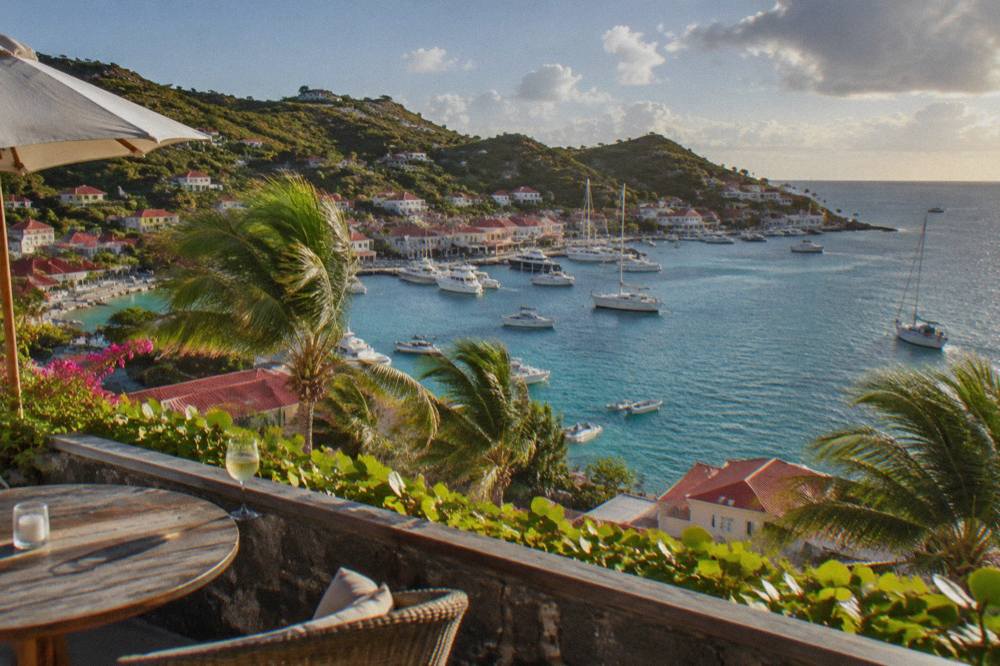
A final word on perspective. St Barts is a dry-ish, wind-swept island by Caribbean standards, with a winter rainfall total closer to the Mediterranean than to the rain forest. Its mosquito reality is real but ordinary: present year round, worst in the wet autumn, calmest on breezy beaches and in the dry spring. Travelers who have spent time anywhere in the tropics will recognize the pattern immediately, and travelers coming from Europe or North America for a first Caribbean trip need only add one small bottle to the packing list, next to the sunscreen in the St Barts packing list guide. More on planning the whole trip, including every bookable boat day from St Martin, sits on St Barthelemy Travel and in the answer to whether it is worth going to St Barts.
Common Questions About Mosquitoes In St Barts
Does St Barts Have Mosquitoes?
Yes. St Barts is a tropical Caribbean island with warm temperatures and rain in every month of the year, so mosquitoes are present year round. Activity is lowest in the dry winter months and highest during the wet September to November stretch, when October's rainfall normal reaches 135.6 mm.
Are Mosquitoes Bad In St Barts In The Winter?
Winter, December through April, is the drier and breezier half of the year on the island. The February rainfall normal of 38.4 mm is the lowest of any month, and steady trade winds keep open beaches relatively free of mosquitoes. Dawn and dusk still call for repellent.
Is There Dengue Or Mosquito-Borne Illness On St Barts?
Dengue is present in the wider Caribbean region, and St Barts follows the French public-health system as a French territory. Standard prevention advice applies: repellent during the day, care at dawn and dusk, and screens or air conditioning at night. Check your own government's travel-health advice before departure.
Do I Need Repellent On The Beach In St Barts?
Usually far less than inland. The trade winds on the island's public beaches disrupt mosquitoes, which are weak fliers, and open sand midday is the least exposed environment on the island. Sheltered garden areas and wooded hiking trails are where repellent matters most.
When Is Mosquito Season In St Barts?
There is no closed season; some activity occurs in every month. Pressure rises with rainfall, so the wettest period in the Meteo-France 1991 to 2020 normals, September through November, is the peak, and the February to April window is the calmest.