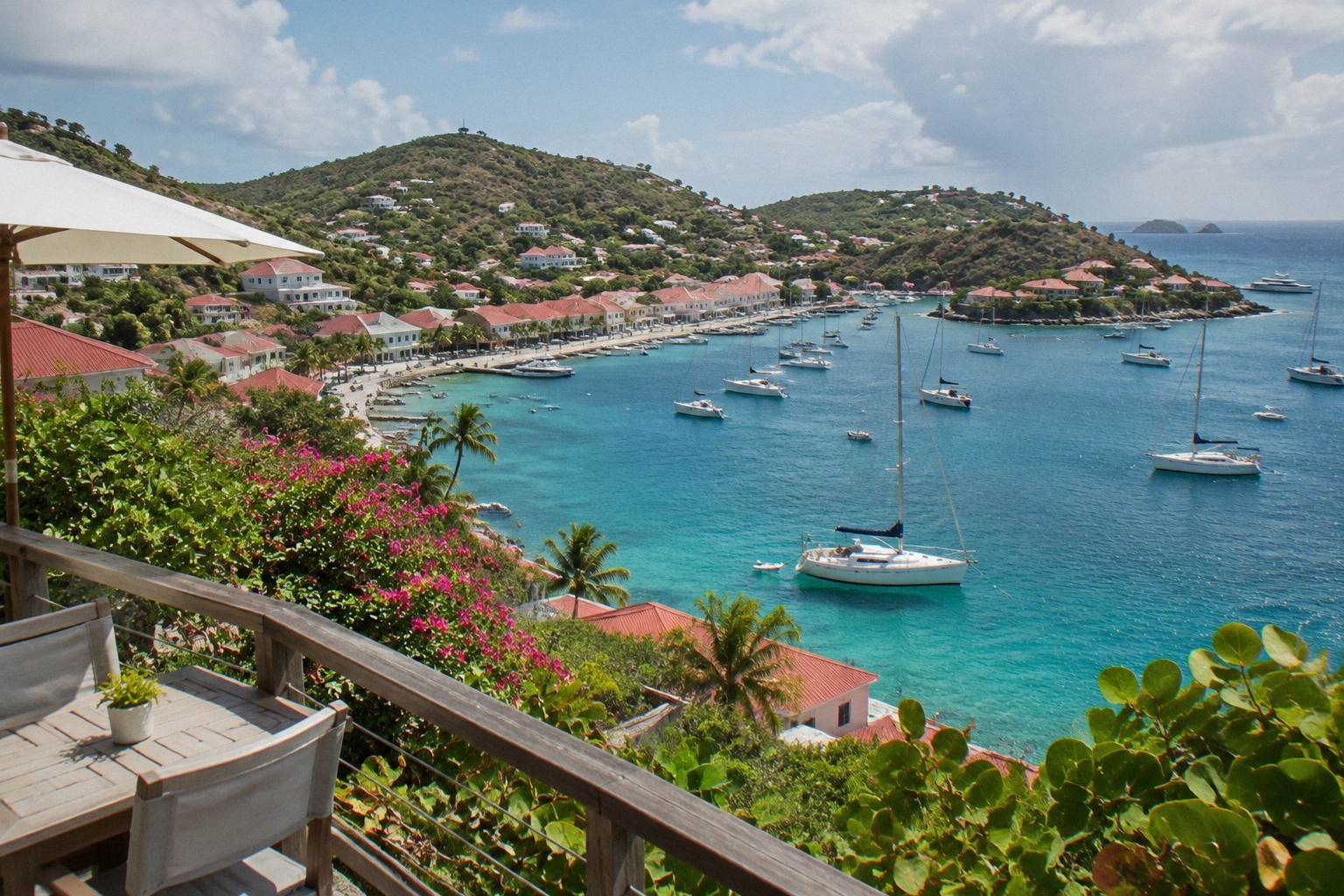
Why Is Cheval Blanc Expensive?
Why Cheval Blanc St Barts carries a high rate: island logistics, a short runway, seasonal closures, and a small luxury hotel market on a 21 square kilometre French Caribbean island.
Cheval Blanc St-Barth Isle de France stands on Flamands beach on St Barthelemy, a French overseas collectivity in the Caribbean better known as St Barts, and the question of why a room there costs so much has a stack of answers. None of them is a single number. The hotel is one property on an island of about 21 square kilometres with roughly 10,700 residents, where nearly everything a hotel needs, from bottled water to building materials, arrives by small aircraft or by boat, and where the whole hospitality economy compresses into a few high-season months.
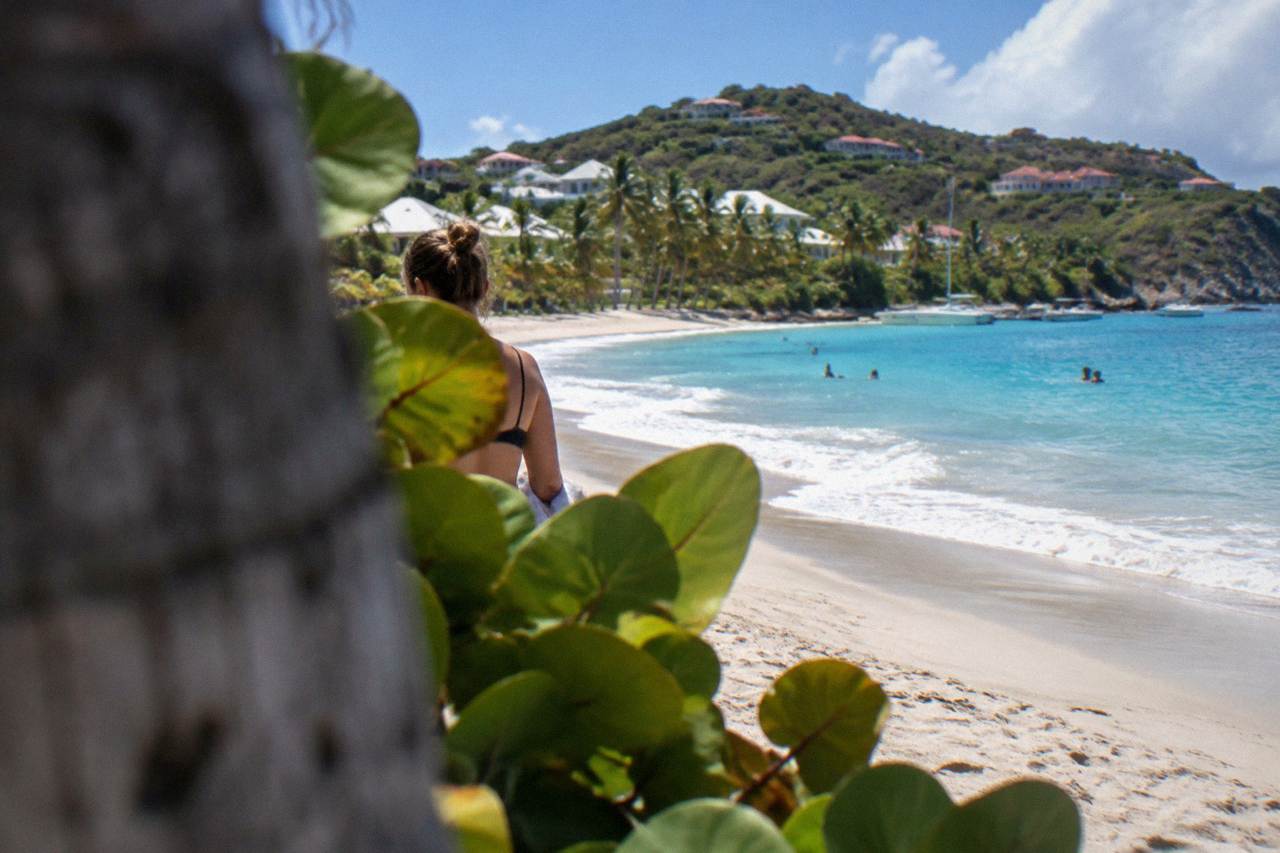
This page breaks the question into its parts: what the property is, what island logistics do to every price on St Barts, how the journey itself adds cost, and what the seasonal rhythm of the island does to supply and demand. Along the way it points to the island's main things to do page and to the site's full Cheval Blanc St Barts guide, which covers the property itself in more depth.
Cheval Blanc St Barts is expensive because it operates a full luxury hotel on a small Caribbean island where every input arrives by air or sea, the season is short, the hotel closes each autumn, and the market is tiny. No ferry carries freight, the runway is 646 m, and a limited luxury room supply faces demand concentrated into the December to April window. The rate reflects logistics and scarcity as much as the room itself.
That is the honest structure of the answer, and every piece of it can be traced to something physical about the island. St Barts is about 21 square kilometres of hills and beaches. Its airport, Gustaf III, also called Remy de Haenen, has a single 646 m runway that accepts only small STOL turboprops in daylight and visual conditions. No jet lands there, and no widebody freighter ever will. Goods that would reach a mainland hotel by truck reach this island by small vessel or by scheduled and chartered light aircraft, and that cost lands in every invoice a hotel pays.
The demand side matters just as much. The island's hotel stock is small and heavily weighted toward the top of the market, and much of it shuts for the autumn. Cheval Blanc follows the common pattern: it closes in late summer and reopens in the mid-October to early November window that the island's hotels share, which concentrates the year's revenue into a shorter operating period. A room rate has to carry the months when the building earns nothing.
Then there is the question the reader is really asking, which is whether the rate is arbitrary. It is not. The price of a hotel night on St Barts is the visible tip of a chain: import logistics, a constrained airport, a fixed autumn closure, a small labour market, and a French Caribbean tax structure that includes a tourist tax collected by accommodations. Remove any one of those and the rate would differ; none of them is going away.
What Kind Of Hotel Is Cheval Blanc St Barts?
Cheval Blanc St Barts is a luxury beachfront hotel on Flamands, on the island's northwest coast, and one of the best known properties in a small high-end hotel market. It operates seasonally, closing in late summer and reopening in the island's usual mid-October to early November window. Its name belongs to a French luxury hotel collection, which itself signals the positioning: full service, prime beach frontage, and a rate set accordingly.
Flamands is one of the island's public beaches, a long arc of sand on the north coast, and the hotel sits at its edge. The property was known for years as Isle de France before it joined the Cheval Blanc collection, a detail that matters to the price question because rebranding into a global luxury collection is itself a statement of rate positioning. On an island that already leans toward the high end, that puts a property at the top of a steep curve.
The seasonal pattern deserves emphasis because it is unusual to visitors from mainland hotel markets. Each autumn, many St Barts hotels and their restaurants close for maintenance and the quietest stretch of the hurricane season, then reopen in waves between mid-October and early November. The hotel's tables follow the same calendar. A reader planning a late-autumn trip should confirm opening status directly with the property, because dates shift by days from year to year.
None of this is unique to Cheval Blanc; it is the island's rhythm. What the property adds is position and brand. For a fuller picture of the property and its setting, the site's dedicated Cheval Blanc St Barts guide covers Flamands access and the surrounding area, and the question of where the most luxurious places to stay in St Barts are frames the wider market.
How Does Getting To St Barts Add To The Cost?
Reaching St Barts requires a gateway stop and a second leg, and that layers cost onto every visit. There are no jets at St Barts: the runway is 646 m and only small STOL turboprops land there, in daylight and visual conditions. Travellers fly to St Martin, San Juan, Guadeloupe or Antigua, then continue on a small carrier or one of two ferries, so the journey alone is a multi-ticket itinerary.
The airport constraint is the single most important fact on this page for understanding island pricing. Gustaf III's runway is 646 m, which rules out jets and any aircraft that needs a long roll. St Barth Commuter flies from SXM, Grand Case and Pointe-a-Pitre; Tradewind serves San Juan and Antigua; Winair flies the SXM to SBH hop on Twin Otters. Each of those carriers flies small aircraft with few seats, and small aircraft have high seat-mile costs. That cost reaches the traveller directly in fares and reaches every hotel in freight.
The ferry alternative is real but limited. Great Bay Express runs from Philipsburg on the Dutch side to Gustavia, a crossing of about 45 minutes, and Voyager runs from Marigot on the French side, about 50 to 60 minutes. The crossing can be rough; nobody should book it expecting flat water. The structure of either operator's fare matters more than the amount: even the budget path to St Barts involves a gateway flight plus a boat.
| Leg | Route | Operator Or Mode | Notes |
|---|---|---|---|
| Gateway flight | US or Europe to St Martin (SXM) | Scheduled airlines | Main feeder hub for the island |
| Small plane | SXM to St Barts (SBH) | St Barth Commuter, Winair | STOL turboprops only, daylight flying |
| Small plane | San Juan or Antigua to SBH | Tradewind | Longer feeder hops |
| Small plane | Grand Case or Pointe-a-Pitre to SBH | St Barth Commuter | French-side and Guadeloupe feeders |
| Ferry | Philipsburg to Gustavia | Great Bay Express | About 45 minutes, sea conditions apply |
| Ferry | Marigot to Gustavia | Voyager | About 50 to 60 minutes |
The compounding effect is the point. A traveller pays for a long-haul flight, then a feeder, then a second ticket on a small aircraft or a ferry seat, and only then arrives at the hotel door. The site's answer to why it is so hard to get to St Barts and the page on flying direct to St Barts from the US cover the mechanics in detail. The short version: the room rate is high partly because the island is deliberately hard to reach in bulk, and the guests who arrive have already spent heavily to get there.
One way to see the island without adding a St Barts hotel night at all is a day trip from St Martin. The Boomerangs group sail and snorkel departs from St Martin or Sint Maarten, calls at Gustavia, Colombier and Ile Fourchue, and returns the same day; its live listing shows the current per-person price. For a day of the island's harbour and beaches, it is the per-person option rather than a per-group charter.
To see the island without a hotel night, book a group sail and snorkel tour.
What Does The St Barts Season Do To Hotel Rates?
St Barts compresses its year into a short high season, and that compression pushes rates up. Hurricane season runs 1 June to 30 November with a peak from mid-August to mid-October, and many hotels, including Cheval Blanc, close for part of the autumn and reopen between mid-October and early November. The December to April window carries the year, so rates in it carry the closed months too.
The climate numbers explain the calendar. Meteo-France normals, 1991-2020, show the island warm year round: mean daily highs from 28.5 C in January to 31.7 C in September, with 891.3 mm of rain across the year and October the wettest month at 135.6 mm. The sea stays warm, roughly 26 C in winter to about 29 C from August to October. The weather itself is not the whole story; the calendar of risk is, because the Atlantic hurricane season's statistical peak sits near 10 September and the island lived through Hurricane Irma in September 2017. Other pages covering the same trip are gathered on St Barthelemy Travel.
| Month | Mean Daily High | Rain |
|---|---|---|
| January | 28.5 C | 52.6 mm |
| April | 29.8 C | 50.9 mm |
| July | 31.2 C | 80.4 mm |
| September | 31.7 C | 96.9 mm |
| October | 31.4 C | 135.6 mm |
| December | 28.9 C | 79.2 mm |
Source of figures: Meteo-France climate normals, 1991-2020, for the St Barthelemy station.
Against that backdrop, the hotel year splits. The November-to-April stretch carries events that anchor demand: the St Barth Gourmet Festival from 9 to 15 November 2026, the Music Festival from 8 to 18 January 2027, the Bucket Regatta in mid-March, and Les Voiles de St Barth in April. The site's pages on the best time to go to St Barts and St Barts in December map this out month by month. High demand meeting a fixed, small room stock is textbook price pressure.
Is Everything On St Barts Expensive, Or Just The Hotels?
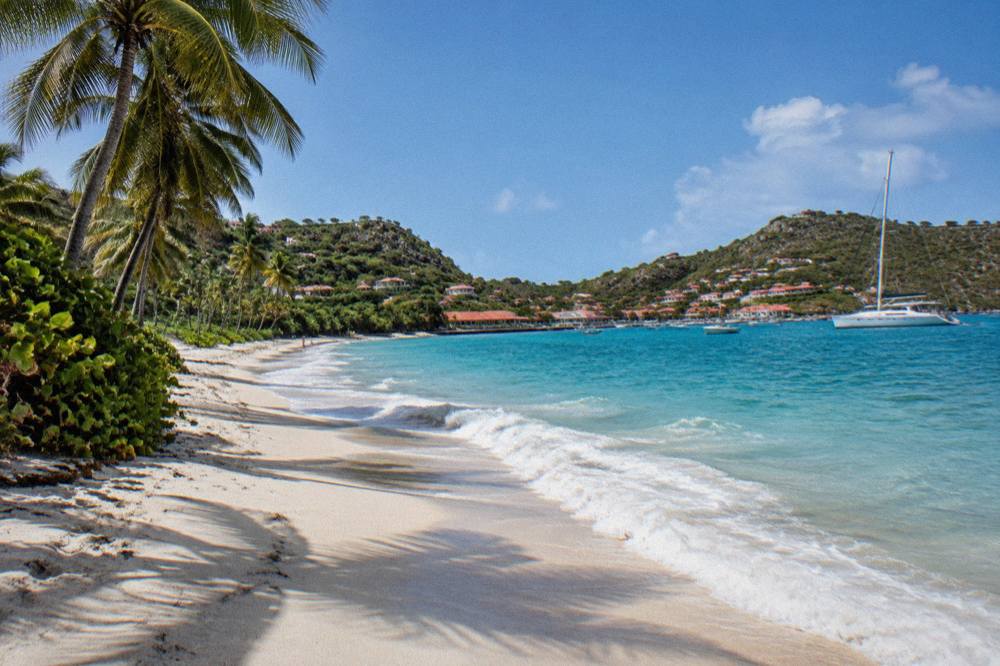
Not everything carries a hotel-style price tag. Every beach on St Barts is public and free to access, from Flamands and Gouverneur to Saline and Colombier, and the open public spaces of Gustavia cost nothing to wander. The expense concentrates in lodging, imported goods and anything that requires a boat, a charter or a private transfer, so a day on the island can cost very little or a great deal depending on choices.
This distinction matters to the Cheval Blanc question because it shows where the money actually goes. The public-beach rule is island law: sand and shoreline are open to everyone, and the environment agency's regulatory-zones page adds the marine reserve rules, a 5-knot limit in protected zones, no jet skis, 23 listed dive sites, no dogs on beaches and no touching turtles. None of that carries an entrance fee. The site's guide to the nicest beach in St Barts and the beach guide by coast cover the free inventory in depth.
What does cost is scale. A private boat day listed here is priced per group, not per person, and departs from St Martin or Sint Maarten rather than from St Barts itself. A villa week sits in a separate market again, handled by specialist managers such as WIMCO, Sibarth and St Barth Properties. Food runs French-influenced, with produce imported, so this page prints no price for any specific meal. The pattern for a reader is simple: beaches and walking are free; beds, boats and imported anything are where the budget moves.
Is A Cheval Blanc Stay Worth The Rate?
Whether the rate is worth paying depends on what a traveller wants from St Barts. The hotel delivers beachfront position on Flamands, a global luxury brand and full service on an island where those are scarce. A visitor whose priority is beaches, walking and the sea can have a complete St Barts day for the cost of a ferry ticket and lunch money, and a visitor who wants the room will find no cheaper copy of it elsewhere on the island.
Worth is a personal calculation, but the inputs can be laid out honestly. On the yes side: the property's position, the collection it belongs to, and the fact that St Barts has no large resort stock to dilute the market. On the no side: the same short runway and seasonal calendar apply to every guest, a good part of any day is spent off the property anyway, and the island's core attractions, its public beaches and harbour, charge nothing.
For readers weighing alternatives, the site's comparisons help: is it worth going to St Barts, St Barts versus St Martin, and where to stay in St Barts. For travellers arranging arrival paperwork, the pages on US citizens and passports and what country St Barts belongs to answer the two questions that most often surprise first-time visitors.
Common Questions About Cheval Blanc St Barts
Why Is Cheval Blanc Expensive?
Because it runs a full luxury operation on a small island where everything arrives by small plane or boat, the operating season is short, the property closes each autumn, and the luxury room supply on St Barts is tiny. Logistics and scarcity, not a single line item, set the rate.
Does Cheval Blanc St Barts close in autumn?
Yes, it follows the island-wide pattern. Many St Barts hotels and restaurants close in late summer and reopen in waves between mid-October and early November, and Cheval Blanc's tables follow the same calendar. Exact dates shift year to year, so confirm directly with the property before booking.
Can you fly directly to St Barts on a large aircraft?
No. The runway at Gustaf III Airport is 646 m and only small STOL turboprops land there, in daylight and visual conditions. Travellers connect through St Martin, San Juan, Guadeloupe or Antigua, then fly a small carrier or take the ferry.
Are the beaches near Cheval Blanc free to visit?
Yes. Every beach on St Barts is public, including Flamands, where the hotel sits. Access is free, and the marine reserve rules, a 5-knot limit in protected zones, no jet skis and no dogs on beaches, are posted by the environment agency.
Is there a cheaper way to see St Barts than staying overnight?
Yes. Day trips from St Martin or Sint Maarten run by ferry or by chartered and scheduled boats, and the island's public beaches and harbour cost nothing. A day visitor skips the lodging rate entirely and still sees Gustavia, Flamands and the coast.
The rate at Cheval Blanc, in the end, is an island rate. It prices a scarce room on a hard-to-reach French Caribbean collectivity with a short season and long supply lines, and the same facts that make the hotel costly are the ones that make St Barts what it is.